Shape, Oscillation Modes, and Orientation Dynamics of Aerodynamically Levitated Nanofluid Drops

An experimental validation of all accumulated theoretical work on raindrop studies since 1879

Gene Patrick S. Rible1,*, Syed Jaffar Raza1, Connor K. Traynor1, Joshua T. Watkins1, Hannah P. Sebek1, Alexander R. Bottoms1, Tadd T. Truscott2, Andrew K. Dickerson1
1Department of Mechanical, Aerospace and Biomedical Engineering, University of Tennessee, Knoxville, TN, USA
2Physical Science and Engineering Division, King Abdullah University of Science and Technology (KAUST), Thuwal, Saudi Arabia
*Contact researchers: grible@vols.utk.edu

Physical Review Fluids 11, 053604 (2026)

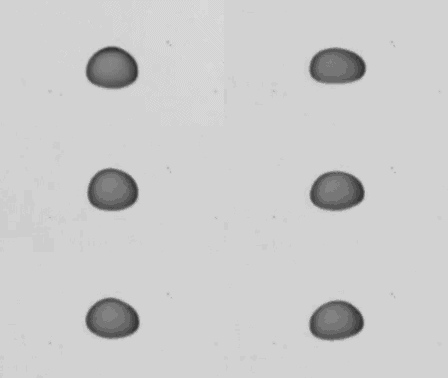
A nanofluid drop oscillating while aerodynamically levitated in the vertical wind tunnel.

A millimetric nanofluid drop held aloft in a vertical wind tunnel. Imaged by two synchronized high-speed cameras to reconstruct its shape, oscillation modes, and 3D orientation.

Abstract

In this experimental study, we introduce methods to characterize drop oscillation and shape using a two-camera setup inspired by two-dimensional video disdrometers. The two cameras maintain close proximity to the levitating drop, enabling high-fidelity three-dimensional reconstruction of drop orientation and dynamics. The prevailing drop shadow in each camera view is extracted to determine a time-averaged characteristic shape, from which a volume-equivalent characteristic diameter D0 is obtained via disk integration. We find strong agreement between our measured D0 and established models of axis ratio and equilibrium drop shape. A frequency analysis along the drop shadow perimeter reveals the presence of three dominant modes, i.e., axisymmetric (2,0), horizontal (2,2), and transverse (2,1), with the axisymmetric mode the most prominent and resilient to noise. We define a nondimensional total oscillation amplitude which enables comparison of oscillation intensities across drop conditions. The addition of nanoparticles increases interfacial tension and, at low concentrations (<0.5% m/m), promotes deformation through heterogeneous distributions and interfacial instabilities. These effects enhance canting amplitude, canting angular velocity, and result in an unsteady orientation, sometimes leading to a full circulation of the drop. Beyond a nanoparticle saturation concentration (NSC) of approximately 0.5% m/m, surface-bound nanoparticles stabilize the drop, reducing canting and total oscillation amplitude. The presence of surfactant increases the NSC by capturing surface particles into micelles, delaying interfacial saturation. These findings offer different tools and insights for characterizing complex oscillation dynamics in levitated multiphase drops, with implications for raindrop physics and fluid-interface studies. Our work is an experimental validation of all the accumulated theoretical work on raindrop studies since 1879.
Firsts in this work

New experimental tools and observations that, to our knowledge, had not been reported before.

How it works and what we found

Two-camera vertical wind tunnel and 3D tracking

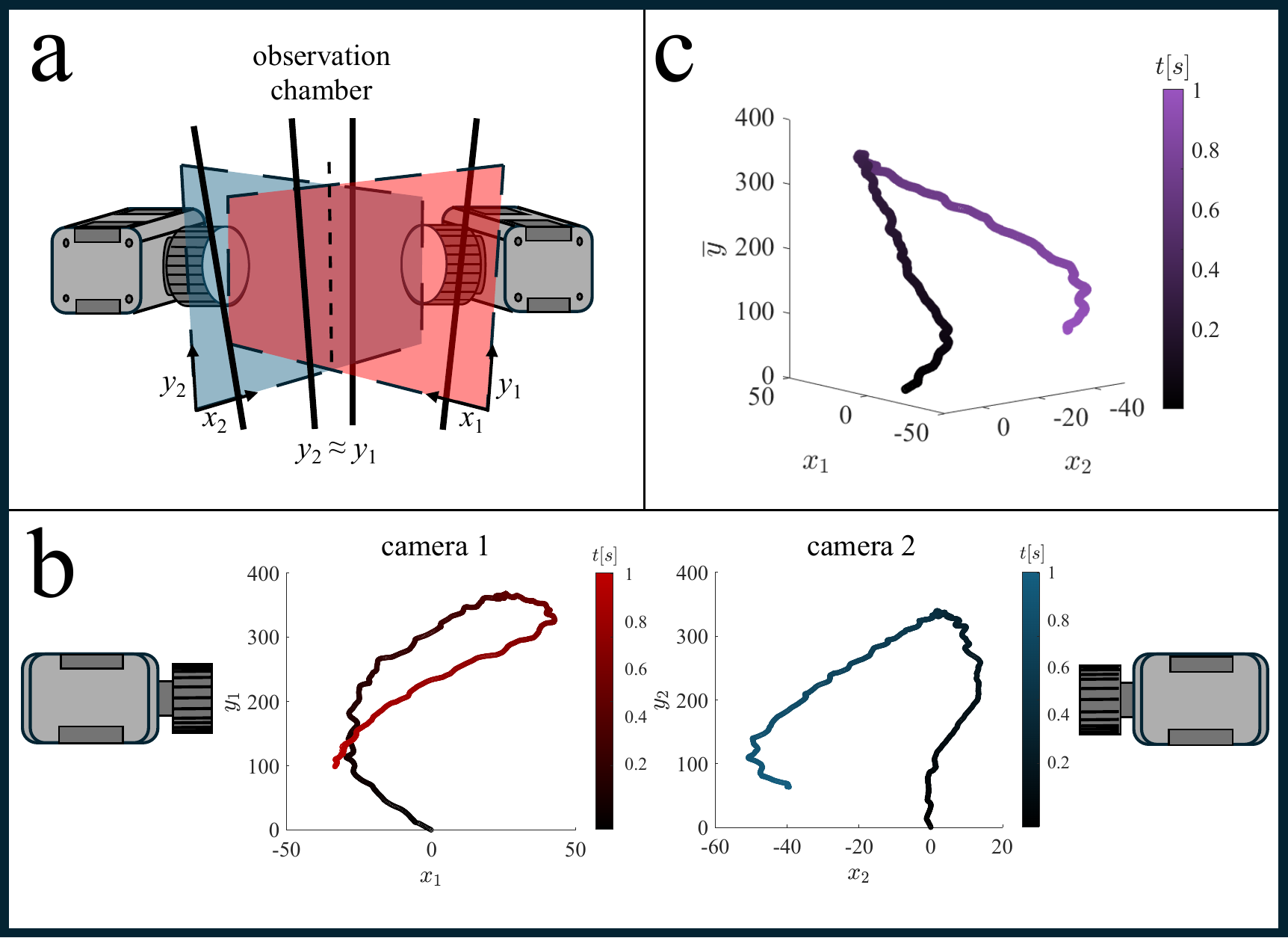
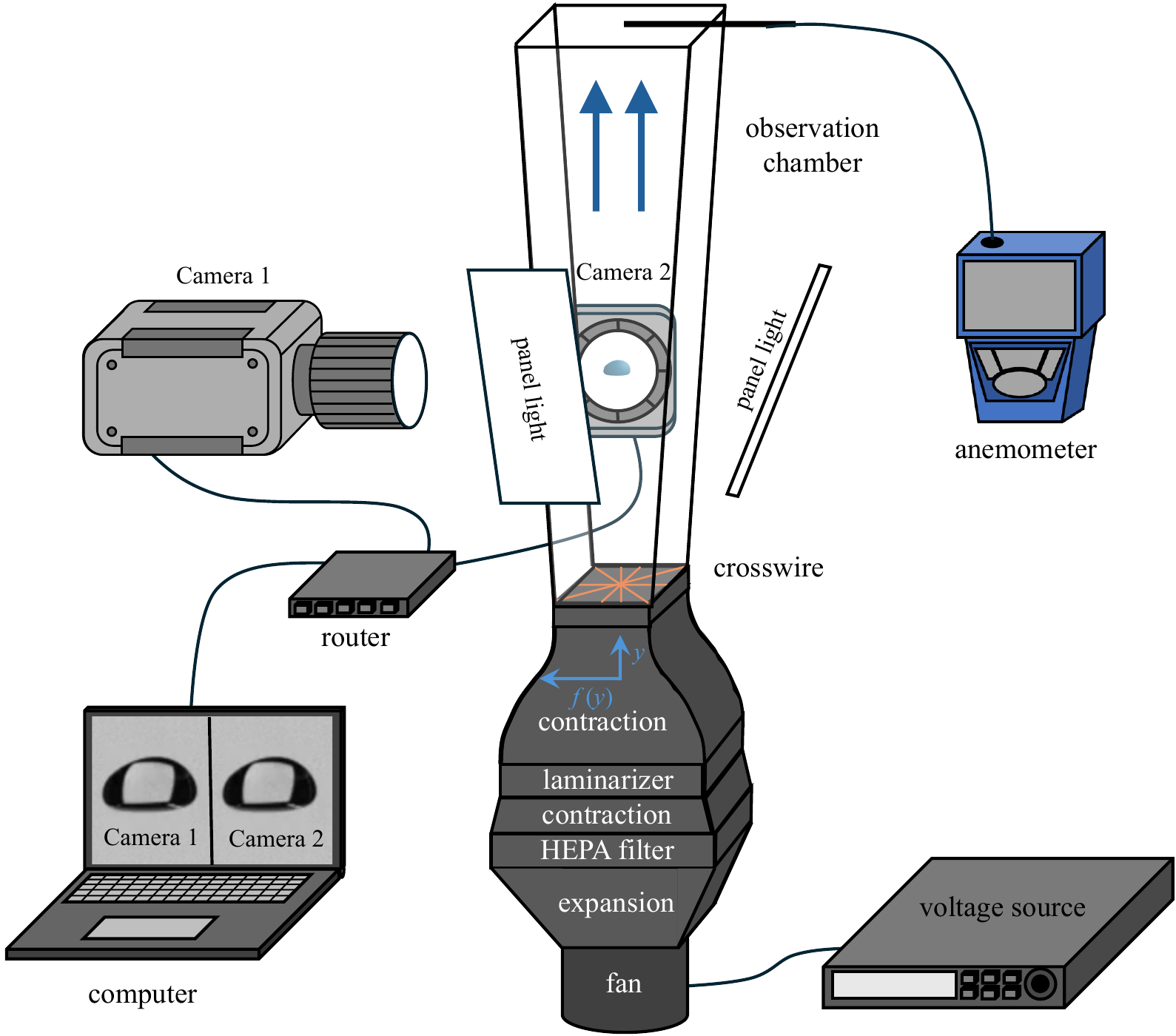
Schematic of the vertical wind tunnel and two-camera imaging setup.
Reconstructed 3D track of a levitating drop from the two synchronized cameras.
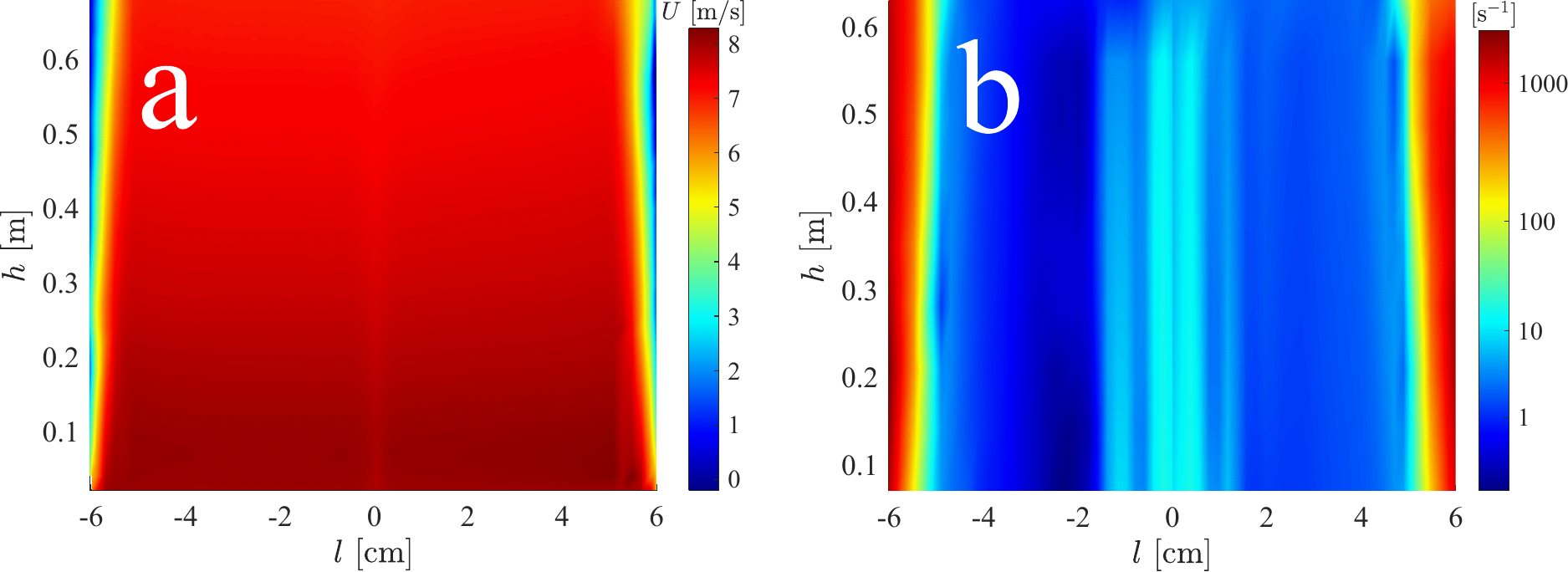
Velocity and vorticity maps from SOLIDWORKS simulations of the vertical wind tunnel's observation chamber, showing flow uniformity in the core and high vorticity at the centering wires.

An 8-inch duct fan drives HEPA-filtered, laminarized air upward through a contracting viewing section. A crosswire creates a radial velocity well that centers the drop, whereas the vertical velocity gradient lets it find a stable levitation height. Two synchronized, orthogonally placed high-speed cameras (2000 fps) record the drop, and their two 2D tracks are combined to reconstruct its motion in 3D.

The characteristic shape and D0

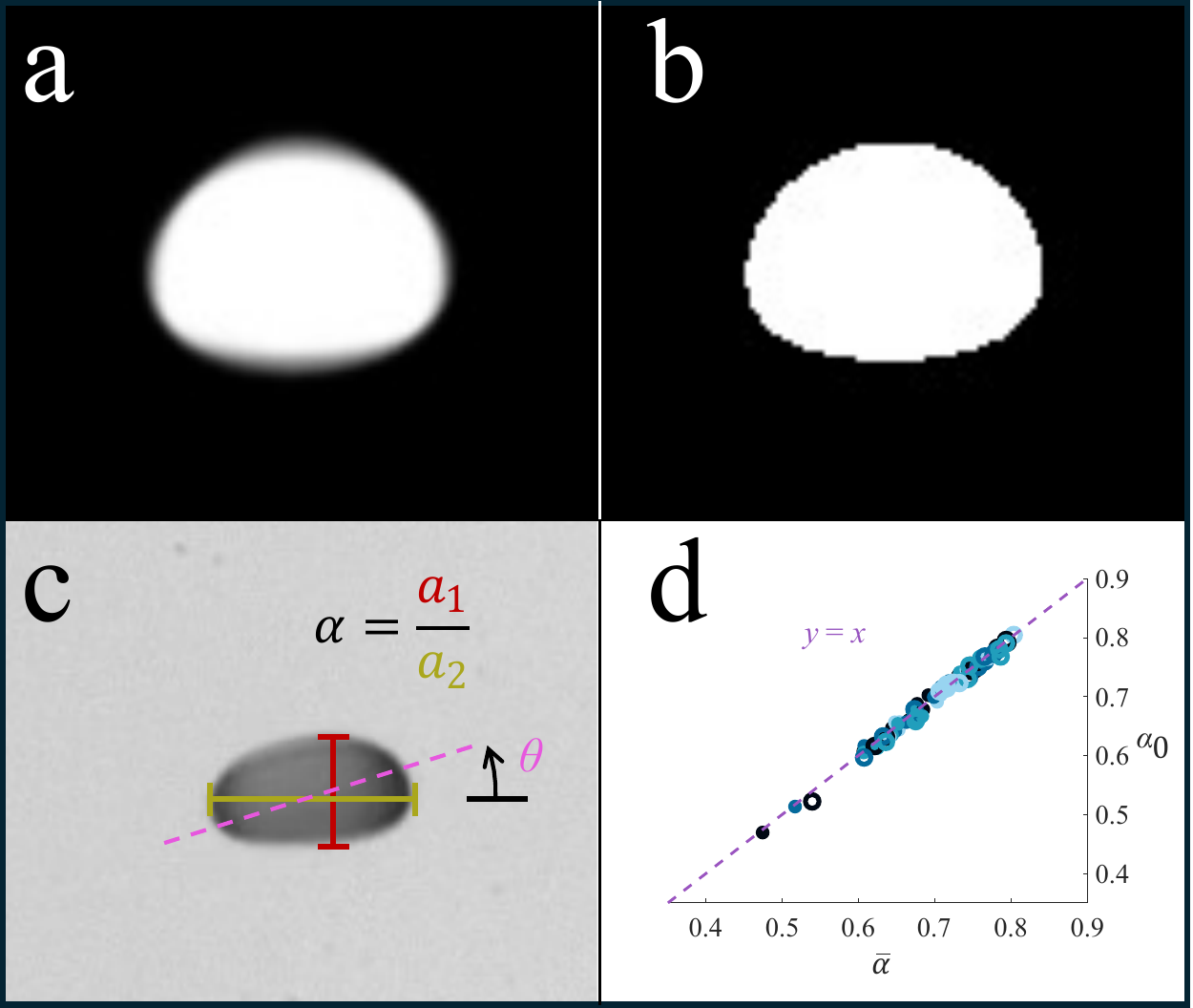
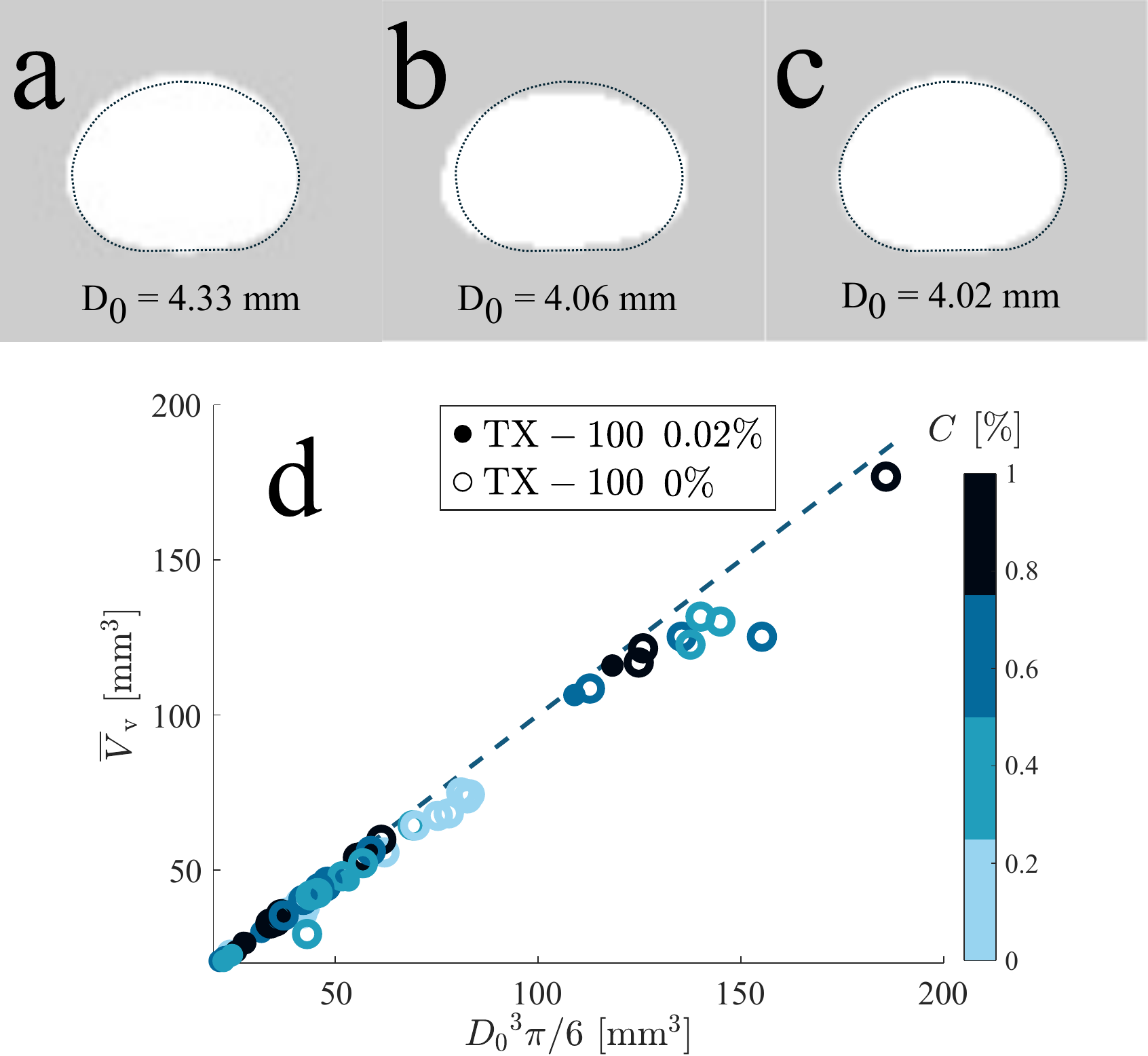
Aggregate drop shadow forming the characteristic shape and matching the Beard and Chuang equilibrium model.
Characteristic axis ratio plotted against equivalent diameter, agreement with established models.

Averaging the drop shadow over time produces a stable "characteristic shape" that approximates the equilibrium drop devoid of oscillation. Disk integration of this shape gives a volume-equivalent diameter D0 that agrees with the Beard et al. axis-ratio model and the Beard and Chuang equilibrium shape, and is robust to the noise that plagues single-frame measurements.

Every oscillation mode, from one view

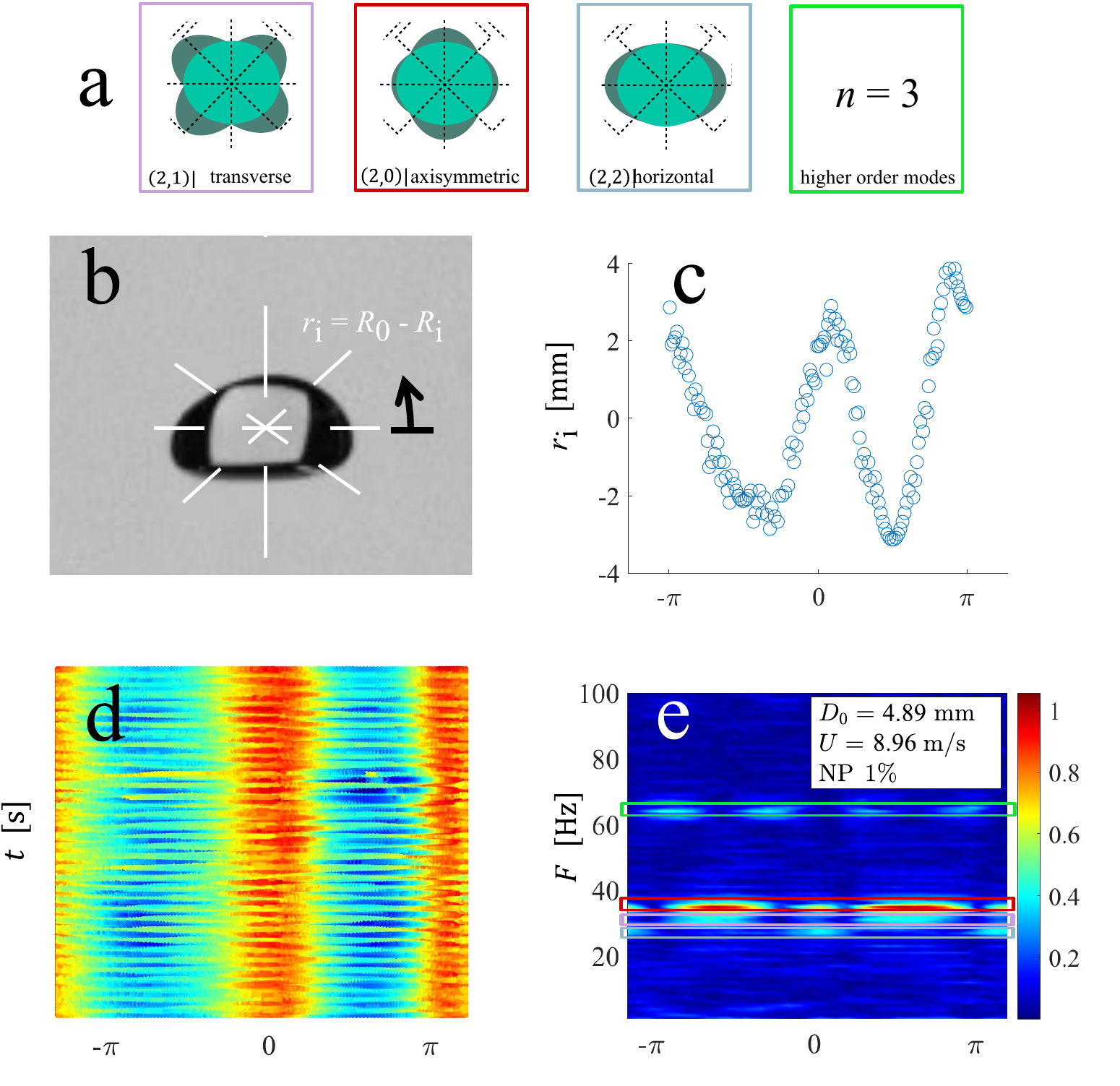
Perimeter-frequency spectrogram revealing the axisymmetric, horizontal, transverse, and n=3 oscillation modes from a single camera view.

By dividing the drop shadow into angular bins and taking the frequency response of the perimeter radius, we render a spectrogram that displays all oscillation modes simultaneously. Three dominant modes emerge, axisymmetric (2,0), horizontal (2,2), and transverse (2,1), plus a higher-order n = 3 harmonic. The axisymmetric mode is the most prominent and the most resilient to noise.

Nanoparticles destabilize, then stabilize

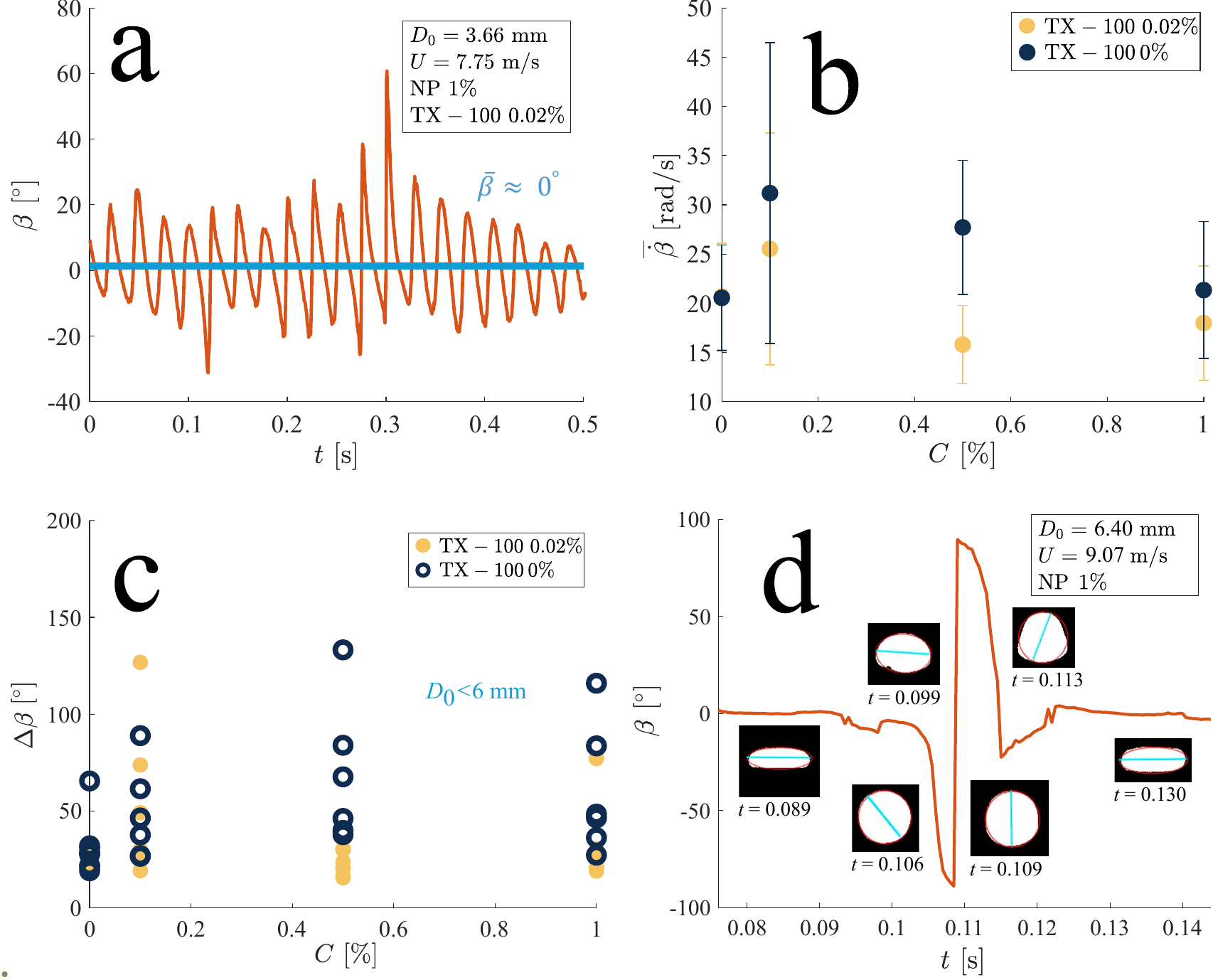
Canting-angle dynamics versus nanoparticle concentration, showing destabilization below and stabilization above the saturation concentration.

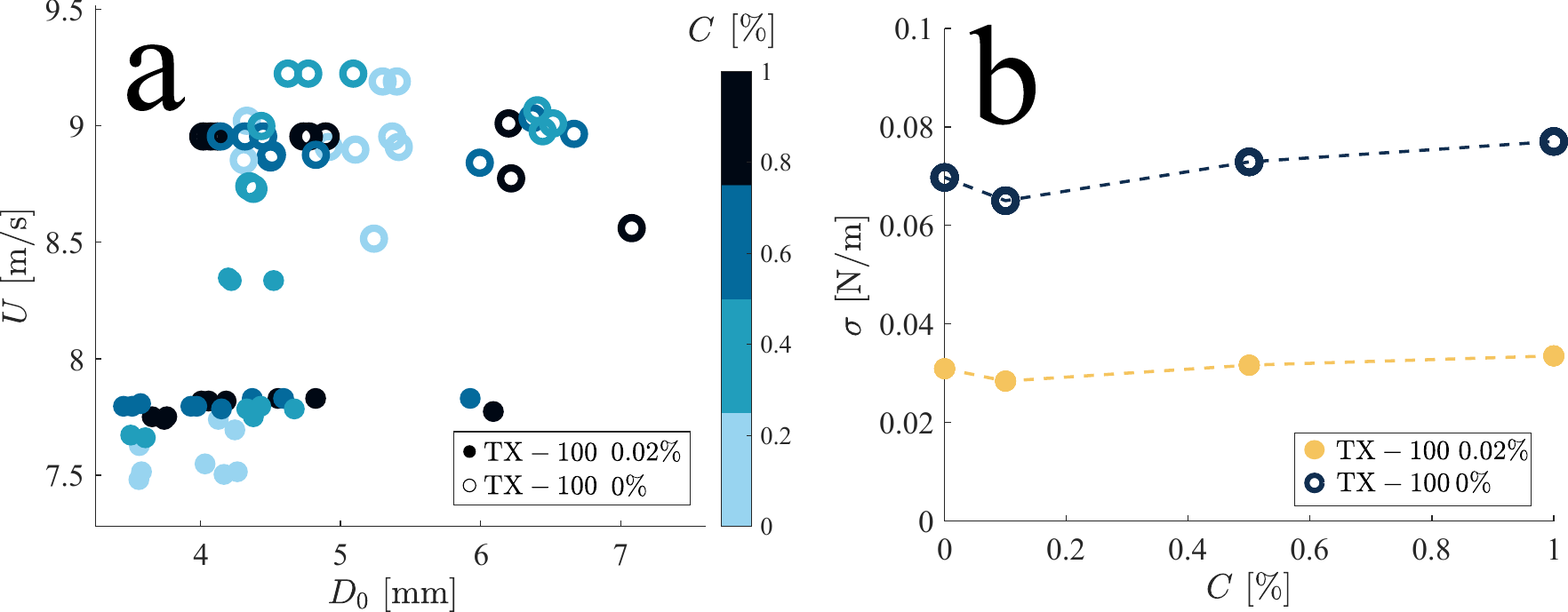
At low concentrations (<0.5% m/m), nanoparticles distribute unevenly across the interface, creating surface-tension gradients that excite canting and unsteady orientation. Beyond a nanoparticle saturation concentration (NSC) of ≈0.5% m/m, a uniform surface coating stabilizes the drop. Surfactant pushes the NSC higher by pulling particles into micelles and away from the interface.

Complete vertical circulation in large drops

Canting angle trace showing a complete vertical circulation in a large (>6 mm) drop.

For drops larger than ≈6 mm, inertial forces overcome surface tension enough that the drop can tumble through a complete vertical circulation; the canting angle sweeps past ±90° and the orientation flips. This dramatic behavior appears only in the largest, near-breakup drops.

Drag: linear in Re, predicted by Re·We

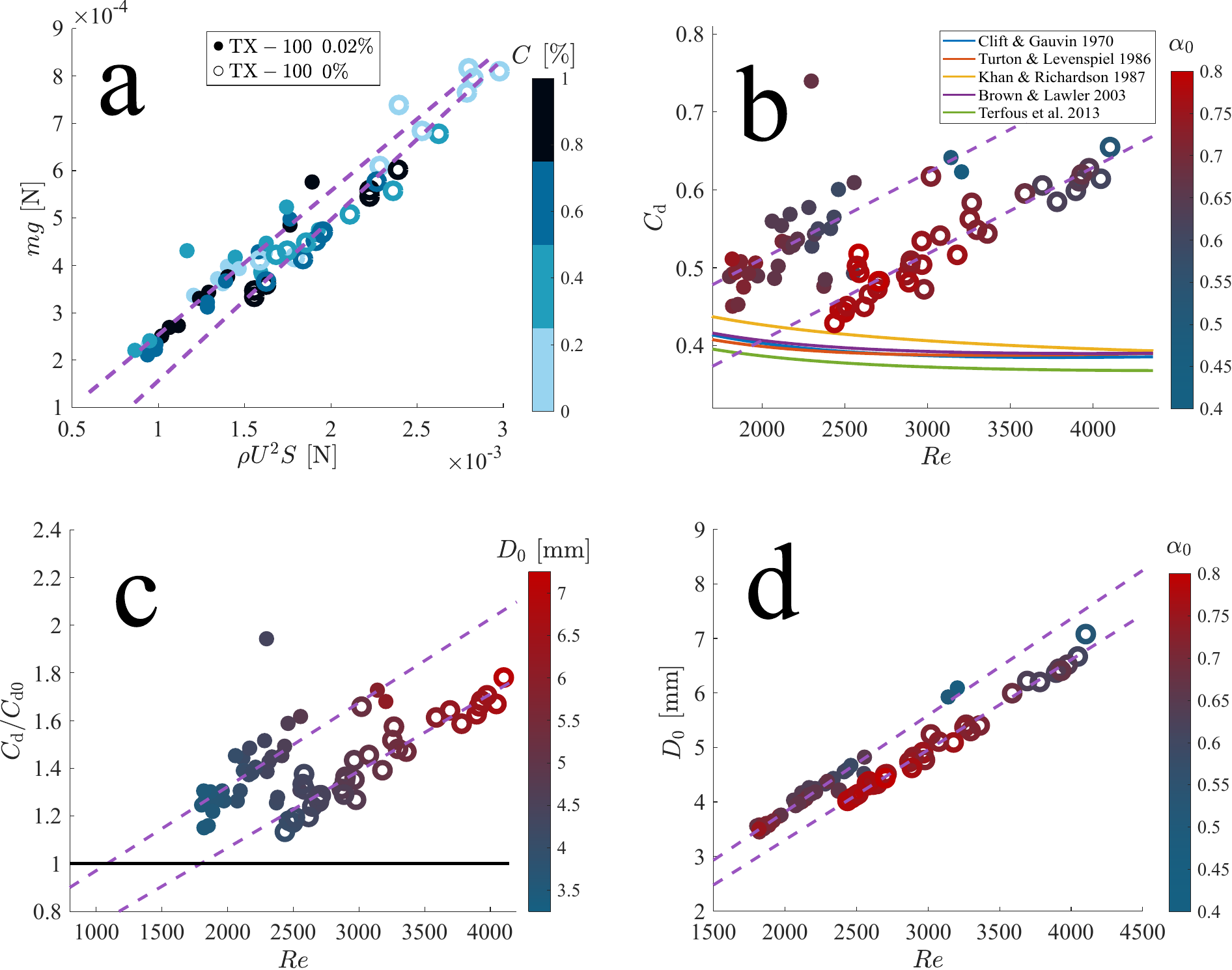
Drag coefficient Cd plotted against Reynolds number, approaching the rigid-sphere prediction at small sizes.
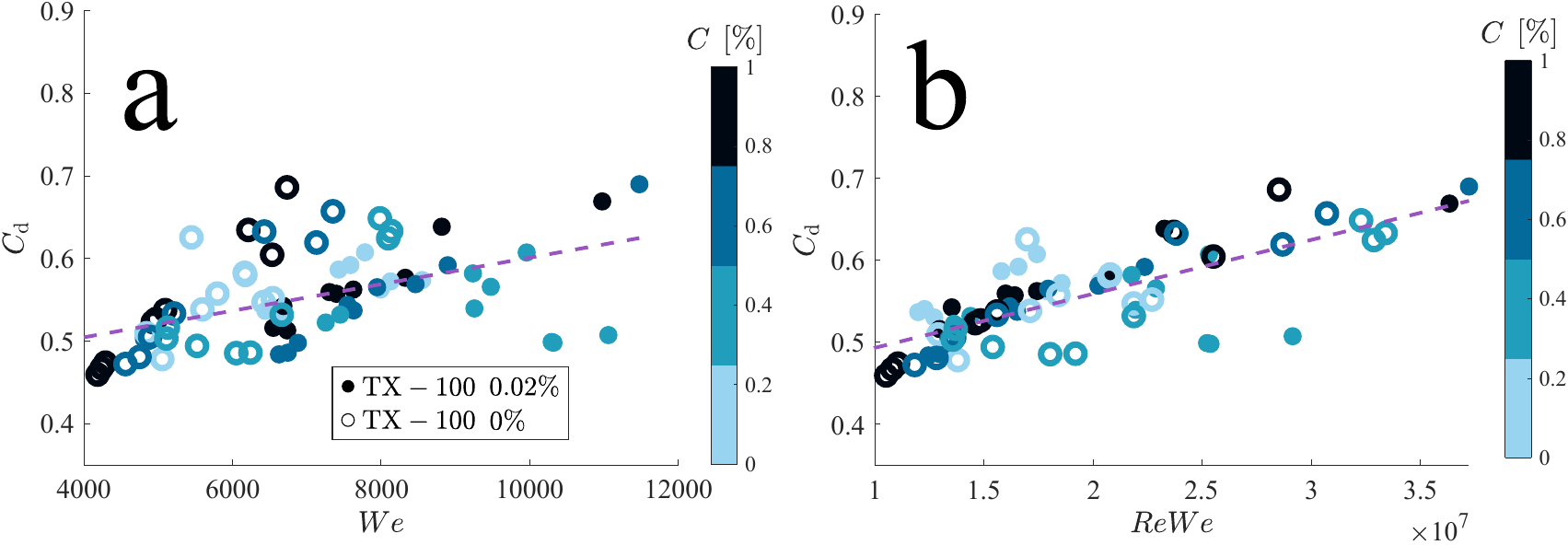
Cd collapsed against the product Re·We, a superior predictor that unifies inertial, capillary, and viscous effects.
Canting-angle dynamics and the nanoparticle saturation concentration that ties shape changes to drag.

The drag coefficient rises roughly linearly with Reynolds number and approaches the rigid-sphere value as drops shrink toward a spherical shape. Surface tension shifts the relationship, but the product Re·We collapses the data far better (r = 0.76 vs. 0.50 for We alone), capturing the balance between aerodynamic forcing and viscous–capillary restoration.

3D orientation through time

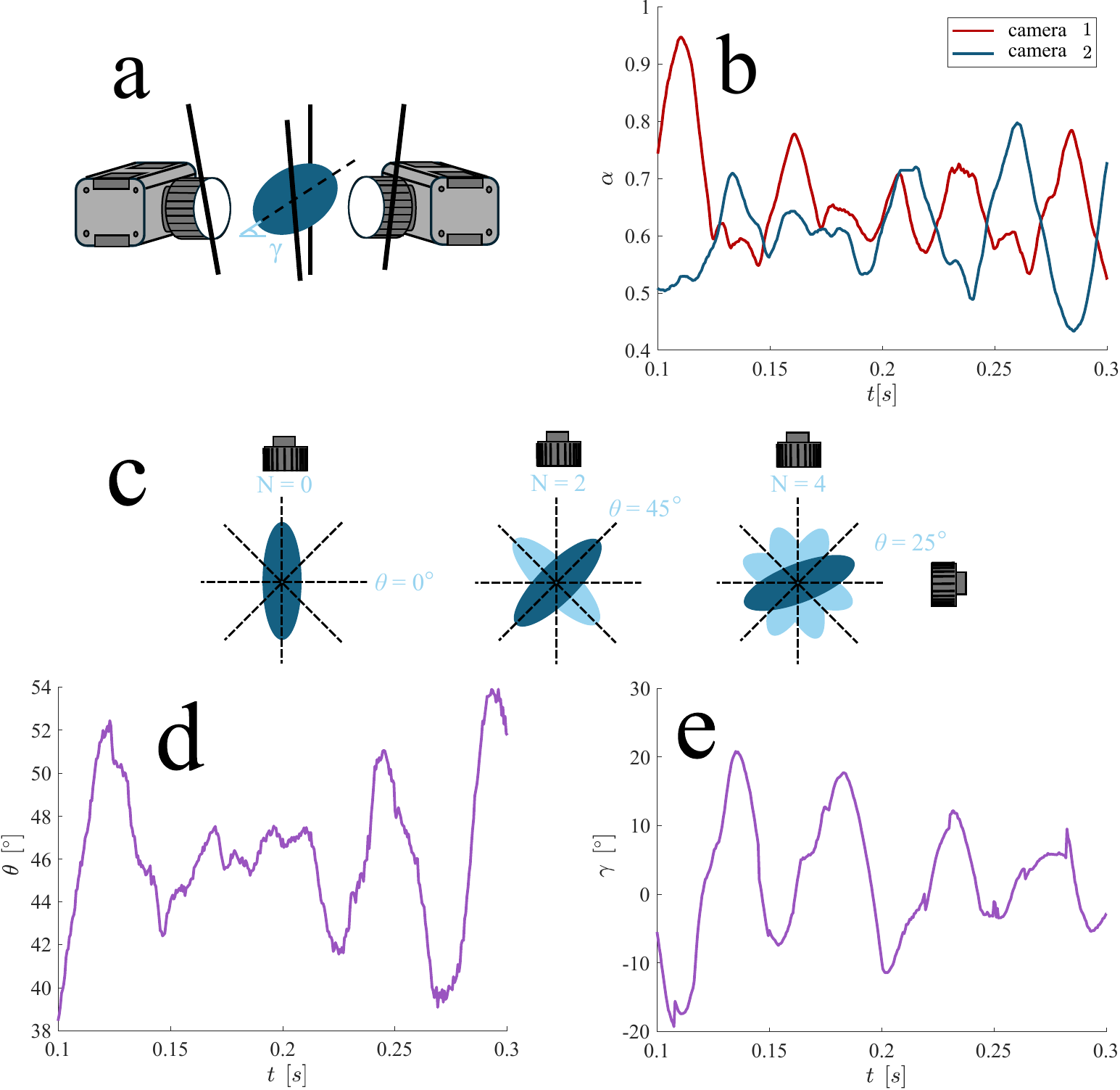
Azimuthal and zenithal angles of a levitating drop reconstructed instant by instant from the two-camera axis-ratio phase.

From the phase difference between the two cameras' axis-ratio oscillations, we recover the drop's azimuthal and zenithal angles instant by instant, the first time-resolved 3D orientation of a single levitating drop, rather than the ensemble statistics inferred by prior disdrometer studies.

Validating theory since 1879

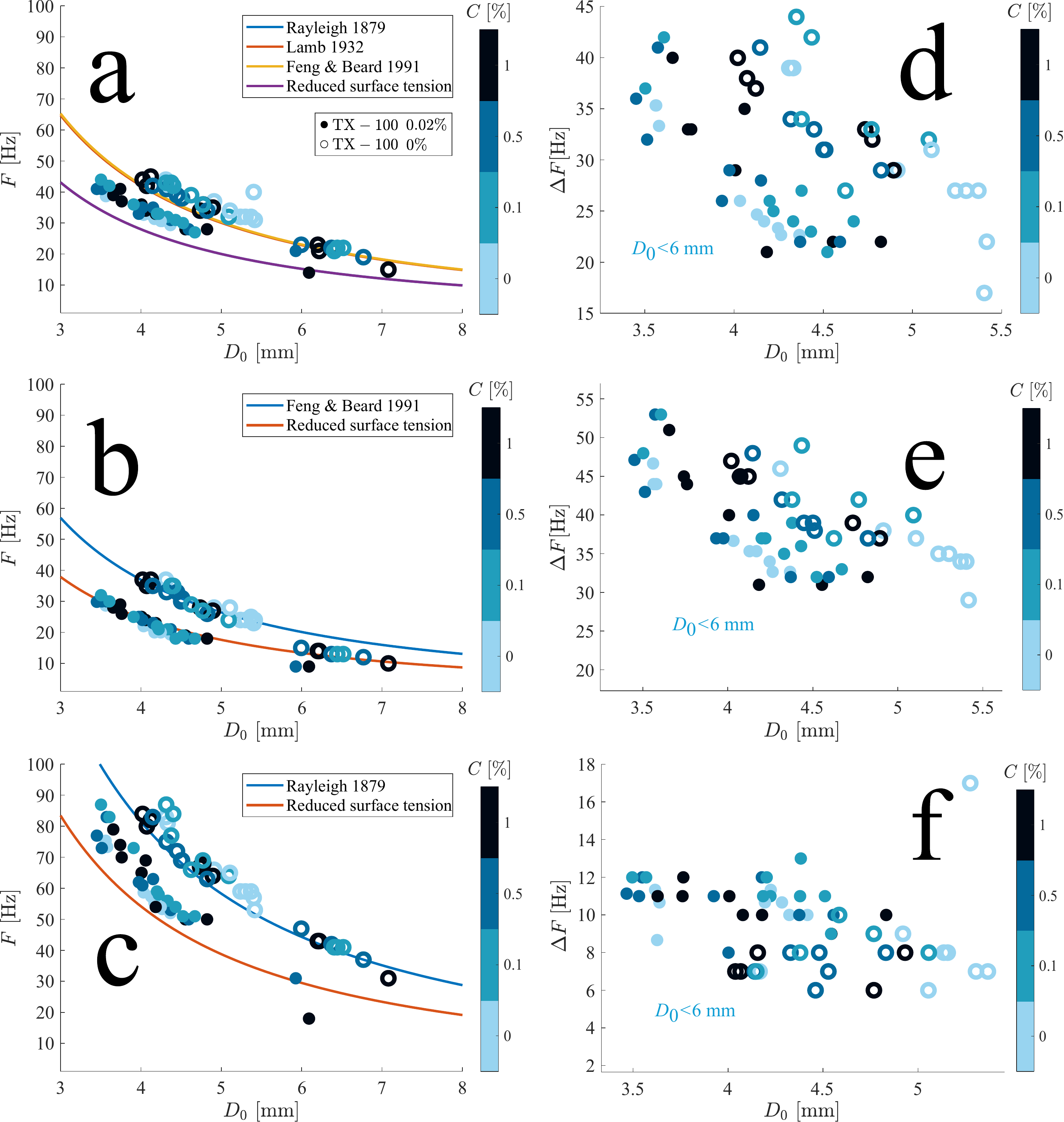
Measured oscillation frequencies overlaid on the Rayleigh (1879), Lamb (1932), and Feng and Beard (1991) theoretical models.

Measured oscillation frequencies sit on top of the classic models, Rayleigh (1879), Lamb (1932), and Feng and Beard (1991), whereas reduced-surface-tension fits track the surfactant-laden drops. Taken together, the experiments are an empirical validation of nearly 150 years of accumulated raindrop theory.

Supplementary videos

The three supplementary movies referenced in the paper. A voice-over walkthrough is coming soon.

Movie S1: Characteristic shape

Aggregate drop shadow forming the time-averaged characteristic shape.

Movie S2: Oscillation-mode spectrogram

Live perimeter-frequency spectrogram showing all oscillation modes.

Movie S3: Complete vertical circulation

A large drop tumbling through a full vertical circulation.

Voice-over walkthrough (optional)

A narrated tour of the paper's methods and findings.

Citation

@article{rible2026shape,
  title   = {Shape, oscillation modes, and orientation dynamics of aerodynamically levitated nanofluid drops},
  author  = {Rible, Gene Patrick S. and Raza, Syed Jaffar and Traynor, Connor K. and
             Watkins, Joshua T. and Sebek, Hannah P. and Bottoms, Alexander R. and
             Truscott, Tadd T. and Dickerson, Andrew K.},
  journal = {Physical Review Fluids},
  volume  = {11},
  issue   = {5},
  pages   = {053604},
  year    = {2026},
  publisher = {American Physical Society},
  doi     = {10.1103/s7rj-swb3},
  url     = {https://doi.org/10.1103/s7rj-swb3}
}

Acknowledgments

This research was done at the Fluids and Structures Laboratory and funded by the National Science Foundation (NSF GEO Grant No. 2201828). We thank Jacob Dockery for late-stage experimental efforts toward the levitation of small drops, and Dr. Andy Sarles and McKayla Torbett for goniometer access.

Discussion

Questions, comments, and follow-up work in the drop-levitation and wind-tunnel community. Sign in with GitHub to post.